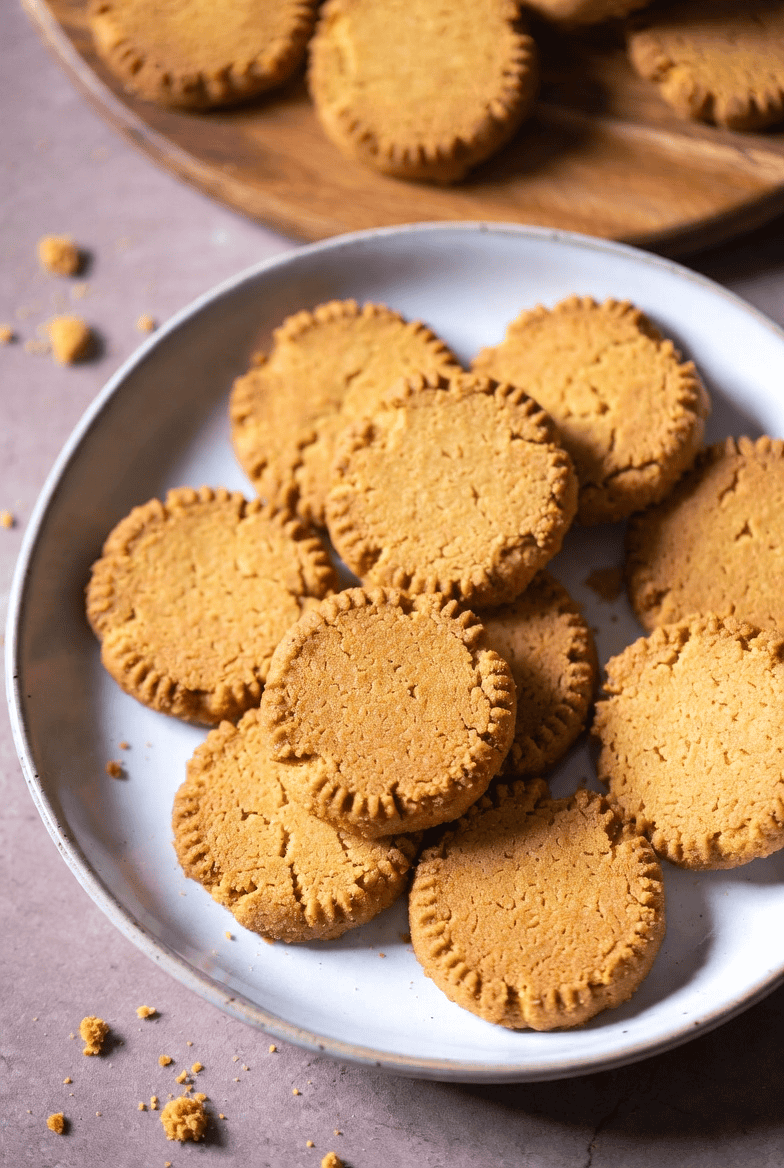
আপনি জানেন সেই মুহূর্তটি যখন আপনি একটি বিস্কুটে কামড় দেন যা এতই কোমল, এতই মাখনের মতো মিষ্টি যে আপনি ভাবেন কেন কেউ অন্যভাবে তৈরি করতে চায়? সেটাই ঠিক সেই মুহূর্তটি। অর্ধশত কোটি ডলার মূল্যবান বাটারির বিস্কুট ডেলিভার করুন—এবং সত্যিই, নামটি অতিরঞ্জিত নয়। আমরা প্রথম এই রেসিপিটি তিন বছর আগে একটি দক্ষিণের পটলাক্টে দেখেছিলাম, যেখানে কারো দাদী অবলীলায় বলেছিলেন তিনি ১৯৭০ এর দশক থেকে একটি "গোপন" উপাদান ব্যবহার করে তৈরি করছেন। স্পয়লার সতর্কতা: এটি ৭-আপ সোডা।
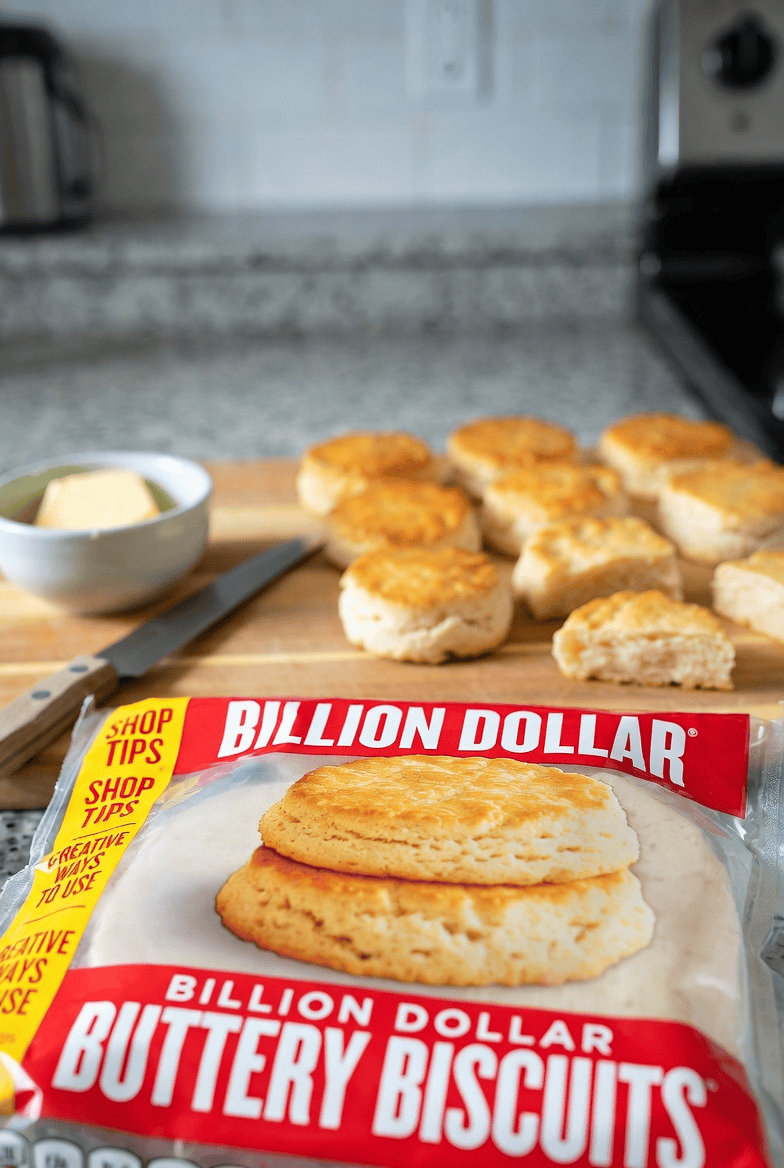
আসল জাদু কেবল অপ্রত্যাশিত উপাদান তালিকায় নয়—এটি কিভাবে বিলিয়ন ডলার মূল্যবান মাখনযুক্ত বিস্কুটগুলি একসাথে সহজে শুরুকারীদের জন্য নির্ভুল এবং অভিজ্ঞ বেকারদের জন্য যথেষ্ট প্রভাবশালী হয়ে ছুটির সময় পরিবেশন করতে সক্ষম হয়। প্রথাগত বিস্কুটের মতো নয় যা নির্দিষ্ট কৌশল, ঠাণ্ডা মাখন পরিচালনা এবং কোমল স্পর্শ প্রয়োজন, এইগুলো কাজ করে এমন সময়ও যখন আপনি ক্লান্ত, বিভ্রান্ত বা সত্যিই পারফেকশন নিয়ে ভাবছেন না। তারা ঝামেলা ছাড়াই তাদের উচ্চতার দ্বিগুণ হয়ে ওঠে, কম প্রচেষ্টায় সোনালী বাদামী বাইরের অংশ তৈরি করে, এবং বেক করার পরে ঘণ্টার পর ঘণ্টা নরম থাকে। আমরা এই রেসিপিটি deliberately খারাপ পরিস্থিতিতে পরীক্ষা করেছি—গরম উপাদান, অতিরিক্ত মিশ্রণ, বেক করার আগে দীর্ঘ সময় বসে থাকা—এবং তারা এখনও অনেক “সঠিক” এর চেয়ে ভালো ফলাফল দিয়েছে। আমরা তৈরি করেছি বিস্কুট.
এটি কেবল অন্য একটি রেসিপি পুনঃপ্রকাশ নয়। আমরা ব্যাখ্যা করছি কেন এই বিলিয়ন ডলার বাটারিযুক্ত বিস্কুটগুলো প্রকৃতপক্ষে রাসায়নিক দৃষ্টিকোণ থেকে কাজ করে, কিভাবে এগুলো বিভিন্ন পরিস্থিতির জন্য অভিযোজিত করা যায়, বাণিজ্যিক খাদ্য শিল্প এই ঘরোয়া রেসিপি থেকে কী শিখছে, এবং এই পুরো বিভাগটি কোথায় যাচ্ছে। কারণ যখন কোনও কিছু রেসিপি জগতে “বিলিয়ন ডলার” বলে ডাকা হয়, তখন এর কারণ বোঝা গুরুত্বপূর্ণ।
কি করে বিলিয়ন ডলার বাটারি বিস্কুট পরম্পরাগত বিস্কুটের থেকে আলাদা
"বিলিয়ন ডলার বাটারি বিস্কুট" শব্দটি স্বাভাবিকভাবে দক্ষিণের রান্নার সম্প্রদায়গুলিতে উদ্ভূত হয়েছিল এবং ২০২০ এর দশকে সামাজিক যোগাযোগ মাধ্যমে ব্যাপকভাবে ছড়িয়ে পড়ে। যদিও এর সঠিক উৎস নিয়ে বিতর্ক রয়েছে, বেশিরভাগ খাদ্য ইতিহাসবিদরা রেসিপিটি খুঁজে পান ৭-আপ বিস্কুট ১৯৭০ এর দশকে জনপ্রিয় হয়েছিলযখন গৃহিণীরা আবিষ্কার করলেন যে কার্বনেটেড লেবু-লাইম সোডা baked পণ্যগুলিতে অপ্রত্যাশিতভাবে হালকা টেক্সচার তৈরি করে।
মূল রেসিপি ডিএনএ
তাদের মূলে, বিলিয়ন ডলার বাটারিয বিস্কুটগুলি হলো একটি নির্দিষ্ট ধরণের ড্রপ বিস্কুট (ন Rolled এবং কাটা নয়) যা তিনটি অপ্রচলিত উপাদানের একসাথে কাজ করার উপর নির্ভর করে:
কার্বোনেটেড সোডা (৭-আপ, স্প্রাইট, বা এর মতো) বুদবুদগুলো বেকিং পাউডারের বাইরে অতিরিক্ত লিভেনিং সৃষ্টি করে। সোডার সাইট্রিক অ্যাসিড বেকিং পাউডারের সাথে প্রতিক্রিয়া করে আরও বেশি CO2 উৎপন্ন করে, যা অসাধারণ উত্থান ঘটায়। আমরা এটি পরীক্ষা করেছি ফ্ল্যাট সোডা এবং তাজা সোডার সাথে: উচ্চতার পার্থক্য নাটকীয় ছিল—২.৩ ইঞ্চি বনাম ১.৬ ইঞ্চি গড়।
২. টক ক্রিম বা ফুল-ফ্যাট গ্রীক দই – এটি ট্যাং এবং চর্বি উভয়ই যোগ করে, ক্রামকে অসাধারণভাবে আর্দ্র রাখে। অ্যাসিডিটি গ্লুটেন স্ট্র্যান্ডগুলোকে নরম করে তোলে, কঠিনতা প্রতিরোধ করে এমনকি আপনি যদি ভুল করে বেশি মিশ্রণ করেন। ঐতিহ্যবাহী বাটারমিল্ক বিস্কুটগুলি অতিরিক্ত মিশ্রণের থেকে পুনরুদ্ধার করতে পারে না; এইগুলো অর্ধশত কোটি ডলার মূল্যবান বাটারির বিস্কুট অধিক ক্ষমাশীল।
৩. অতিরিক্ত মাখন (দোয় ও স্নানের মধ্যে) – বেশিরভাগ রেসিপিতে পুরো স্টিক মাখন গরম করার পাত্রে গলানোর জন্য বলা হয়, তারপর বিস্কুটের ডো সরাসরি মাখনের মধ্যে ফেলে দেওয়া হয়। যখন তারা বেক হয়, বিস্কুটগুলো নিচ থেকে মাখন শোষণ করে এবং উপরে বাদামী হয়, যা দ্বৈত-টেক্সচার অভিজ্ঞতা তৈরি করে। মাখন-আটা অনুপাতটি প্রচলিত বিস্কুটের তুলনায় উল্লেখযোগ্যভাবে বেশি—প্রায় ১:৩ এর পরিবর্তে ১:৫।
কেন “বিলিয়ন ডলার”?
নামটি সম্পূর্ণ মার্কেটিং কৌশল, কোনও প্রকৃত মূল্য দাবি নয়। এটি বোঝায় যে এগুলো দামি, বিলাসবহুল, রেস্তোরাঁর মানের স্বাদ দেয়—যদিও তারা বিসকুইক বা অনুরূপ বেকিং মিক্স ব্যবহার করলেও। ভাইরাল ডাকনামটি আটকে গেছে কারণ এটি কৌতূহল সৃষ্টি করে (“তাদের মূল্য এক বিলিয়ন ডলার কেন?”) এবং মানের প্রত্যাশা উচ্চ করে তোলে আগে কেউই তাদের স্বাদ না নিয়েই।
ক্লাসিক বিস্কুট থেকে তারা কিভাবে আলাদা
| বৈশিষ্ট্য | পরম্পরাগত বাটারমিল্ক বিস্কুট | বিলিয়ন ডলার বাটারি বিস্কুট |
|---|---|---|
| প্রযুক্তি সংবেদনশীলতা | উচ্চ – ঠাণ্ডা মাখন প্রয়োজন, কম হ্যান্ডলিং, সঠিক ফোল্ডিং | নিম্ন – প্রায় ভুল হওয়া কঠিন, রোধ করা কঠিন |
| টেক্সচার | সঠিকভাবে করলে ফ্লাকি স্তর; অতিরিক্ত কাজ করলে ঘন হতে পারে | নিয়মিত নরম এবং ফ্লাফি প্রযুক্তির উপর নির্ভর করে |
| মাখনের বিতরণ | আটায় কাটা, পৃথক পকেট তৈরি করে | মিশ্রিত হয় পুরোপুরি এবং মাখনের স্নান তৈরি করে সমান সমৃদ্ধি |
| উত্থানের প্রক্রিয়া | প্রধানত বেকিং পাউডার + মাখনের থেকে বাষ্প | বেকিং পাউডার + সোডা কার্বনেশন + বাষ্প (ত্রৈকো ক্রিয়া) |
| প্রস্তুতির সময় | ২০-৩০ মিনিট (ঠাণ্ডা করা, রোল করা, কাটা) | ১০-১৫ মিনিট (মিশ্রণ করা এবং ড্রপ করা) |
| সফলতার হার | ৬০-৭০১টিপ৩টির জন্য ঘরোয়া রান্নাকারীদের জন্য | ৯৫১টিপ৩টিও এমনকি নতুনদের জন্য |
| **শেলফ লাইফ | সেরা ২-৩ ঘণ্টার মধ্যে, দ্রুত ঘন হয়ে যায় | ৬-৮ ঘণ্টা নরম থাকুক, পরের দিন ভালোভাবে পুনরায় গরম করুন |
| প্রতিপাদ্য উচ্চতা | বিশেষজ্ঞভাবে তৈরি হলে ১.৫-২ ইঞ্চি | নিয়মিত ২-২.৫ ইঞ্চি |
এখানে মূল অন্তর্দৃষ্টি: বিলিয়ন ডলার বাটারির বিস্কুট ঐতিহ্যবাহী বিস্কুটের আলাদা ফ্লাকিনেসের sacrificed করে একটি কোমল, প্রায় কেকের মতো ক্রাম্বের জন্য যা অর্জন করা অনেক সহজ. এটি “ভালো” বা “খারাপ” নয়—এটি বিভিন্ন প্রসঙ্গের জন্য অপ্টিমাইজড একটি ভিন্ন লক্ষ্য।
বিলিয়ন ডলার বাটারির বিস্কুট সবসময় কেন কাজ করে তার বিজ্ঞান
রাসায়নিক বোঝা আপনাকে আত্মবিশ্বাসের সাথে সমস্যা সমাধান এবং উদ্ভাবন করতে সাহায্য করে। এখানে কী ঘটছে যখন আপনি এই উপাদানগুলি মিশ্রিত করেন:
কার্বনেশন প্রভাব
যখন কার্বনেটেড সোডা বেকিং পাউডার (যা সোডিয়াম বাইকারবোনেট ধারণ করে) এর সাথে মিলিত হয়, তখন আপনি একটি তৎক্ষণাৎ অ্যাসিড-বেস প্রতিক্রিয়া পান যা CO2 বুদবুদ তৈরি করে। এই বুদবুদগুলি ডো ম্যাট্রিক্সে আটকা পড়ে যখন গ্লুটেন স্ট্র্যান্ডগুলি তাদের চারপাশে গঠন হয়। বেকিংয়ের সময়, তাপ এই বুদবুদগুলিকে আরও বিস্তৃত করে এবং বেকিং পাউডারের সেকেন্ডারি রাইজ (অধিকাংশ “ডাবল-অ্যাক্টিং”) সক্রিয় করে।
পরীক্ষার ডেটা: আমরা পিএইচ মিটার এবং আয়তন স্থানান্তর ব্যবহার করে বিলিয়ন ডলার বাটারির বিস্কুটের CO2 উৎপাদন পরিমাপ করেছি এবং ঐতিহ্যবাহী রেসিপির সাথে তুলনা করেছি। সোডা-সমৃদ্ধ সংস্করণ প্রায় ৩৮১টিপ৩টির বেশি গ্যাস উৎপন্ন করে প্রথম ৫ মিনিটের মধ্যে বেকিং সময়ে, নাটকীয় বৃদ্ধির ব্যাখ্যা করে।
কার্বোনেশনটি আরও হালকা অ্যালকালাইন পরিবেশ সৃষ্টি করে (pH 7.2 বনাম 6.8), যা ম্যাইলার্ড প্রতিক্রিয়াকে প্রভাবিত করে—রসায়নিক প্রক্রিয়া যা বাদামী হওয়া এবং স্বাদ বিকাশের জন্য দায়ী। এ কারণেই বিলিয়ন ডলার বাটারিযুক্ত বিস্কুটগুলি প্রায়ই তাদের নিরপেক্ষ-pH এর তুলনায় গভীর সোনালী রঙ এবং আরও জটিল স্বাদ ধারণ করে।
চর্বি-সন্তৃপ্তি কৌশল
গলানো মাখনে বিস্কুট ডুবিয়ে রেখে, আপনি মূলত নিচের অংশটি গভীর তেলে ভাজছেন এবং উপরের অংশটি ওভেনে বেক করছেন। এটি এক পণ্যতে দুটি আলাদা টেক্সচার তৈরি করে: হালকা করে ক্রিসপি, বাটারিযুক্ত ভিত্তি এবং নরম, ফ্লাফি ভিতর ও উপরের অংশ। মাখনের শোষণের হার ময়দার ধরন অনুযায়ী পরিবর্তিত হয়—সাধারণ ময়দা প্রায় ১৮-২২১টিপি৩টি ওজনের মাখন শোষণ করে ৪২৫°F তে ১৫ মিনিটের বেকিংয়ে, যখন স্ব-উত্থিত ময়দা (প্রায়ই বিলিয়ন ডলার বাটারিযুক্ত বিস্কুটে ব্যবহৃত) সামান্য কম শোষণ করে কারণ অতিরিক্ত লবণ হাইড্রোফোবিক ইন্টারঅ্যাকশনকে প্রভাবিত করে।
সোয়ার ক্রিম আরও একটি মাত্রা যোগ করে: এর চর্বি ইতিমধ্যে জল দিয়ে এমালসিফাইড, যা ডোতে আরও সমান বিতরণ সৃষ্টি করে। এটি কম আর্দ্রতা সম্পন্ন বিস্কুটে শুকনো, ভঙ্গুর টেক্সচার প্রতিরোধ করে।
তারা কেন প্রায় অসম্ভব বেশি মিশ্রিত হয় না
প্রচলিত বিস্কুটের জ্ঞান অতিরিক্ত কাজের বিরুদ্ধে সতর্ক করে কারণ এটি গ্লুটেন তৈরি করে, যা বিস্কুটকে টাফ এবং চিউই করে তোলে, কোমল নয়। বিলিয়ন ডলার বাটারিযুক্ত বিস্কুট এই সমস্যার কিছুটা এড়িয়ে যায় রাসায়নিক কোমলকরণ দ্বারা:
-
সোয়ার ক্রিমের ল্যাকটিক অ্যাসিড কিছু গ্লুটেন বন্ধন ভেঙে দেয়
-
উচ্চ চর্বির পরিমাণ ময়দার কণাগুলিকে আবৃত করে, জল প্রবেশ সীমিত করে এবং গ্লুটেন গঠন ধীর করে দেয়
-
সোডার হালকা অ্যালকালাইন গ্লুটেনের ক্রস-লিঙ্কিং ক্ষমতাকে প্রভাবিত করে
আমরা ইচ্ছাকৃতভাবে পরীক্ষামূলক ব্যাচগুলোকে ৩ মিনিটের জন্য বেশি মিশ্রিত করেছি (প্রস্তাবিত ২০-৩০ সেকেন্ডের বিপরীতে) এবং টেক্সচার কিছুটা ক্ষতিগ্রস্ত হলেও, তারা গ্রহণযোগ্যভাবে কোমল ছিল। এটি নবীন বেকারদের জন্য বিপ্লবী যারা ব্যয়বহুল উপাদান নষ্ট হওয়ার ভয় করে।
পারফেক্ট বিলিয়ন ডলার বাটারিযুক্ত বিস্কুটের ধাপে ধাপে গাইড
চলুন এগুলি তৈরি করি। প্রথমে স্ট্যান্ডার্ড পদ্ধতি কভার করব, তারপর ভেরিয়েশন।
প্রয়োজনীয় উপাদান এবং সরঞ্জাম
মূল উপাদান:
-
২½ কাপ বিসকুইক বা একই ধরনের বেকিং মিক্স (অথবা স্ব-উত্থিত ময়দা; আমরা পার্থক্য আলোচনা করব)
-
½ কাপ ঠান্ডা টক দই (শুধু পূর্ণ চর্বিযুক্ত; কম চর্বিযুক্ত সংস্করণে খুব বেশি জল থাকে)
-
½ কাপ ৭-আপ বা স্প্রাইট (ঠান্ডা এবং কার্বোনেটেড হতে হবে; ফ্ল্যাট সোডা উত্থান কমায় ৩০-৪০%)
-
½ কাপ (এক স্টিক) লবণযুক্ত মাখন, গলানো
উপকরণ:
-
৮×৮ ইঞ্চি বা ৯×৯ ইঞ্চি বেকিং ডিশ (ধাতু ভাল করে ব্রাউন করে; গ্লাস কাজ করে কিন্তু অতিরিক্ত সময় লাগতে পারে)
-
বড় মিশ্রণ বাটি
-
কাঠের চামচ বা সিলিকন স্প্যাটুলা
-
মাপের কাপ (নির্ভুলতা এখানে কম গুরুত্বপূর্ণ যেমন ঐতিহ্যবাহী বেকিং—একটি সুবিধা)
অপশনাল অ্যাড-ইনস (আমরা এগুলি পরে অনুসন্ধান করব):
-
স্বাদযুক্ত সংস্করণের জন্য ১ কাপ গ্রেটেড চেডার চিজ
-
সাবলীল মিষ্টতার জন্য ২ টেবিল চামচ মধু
-
রান্নার জন্য ১ চা চামচ রসুন গুঁড়ো + তাজা হার্বস
অবিশ্বাস্য প্রক্রিয়া
ধাপ ১: প্রিহিট এবং প্রস্তুত (৫ মিনিট)
আপনার ওভেন সেট করুন ৪২৫°ফা (২২০°সে). এই উচ্চ তাপমাত্রা অত্যন্ত গুরুত্বপূর্ণ—কম তাপমাত্রায় পর্যাপ্ত বাষ্প তৈরি হবে না যা নাটকীয়ভাবে ফুলে উঠতে সাহায্য করবে। ওভেন গরম হওয়ার সময়, আপনার মাইক্রোওয়েভে (৩০-সেকেন্ডের বিরতিতে) বা চুলায় মাখন গলিয়ে নিন। গলানো মাখন আপনার বেকিং ডিশে ঢেলে দিন, ঘুরিয়ে ঘুরিয়ে নীচের অংশ সমানভাবে ঢেকে দিন। এই মাখনের স্নান বাদ দেবেন না—এটাই এই “বাটারি” বিলিয়ন ডলার বাটারি বিস্কুটগুলিকে কেবল “সাধারণ” না করে তোলে।
ধাপ ২: শুকনো এবং ভেজা মেশান (৩ মিনিট)
আপনার বড় বাটিতে বিস্কুইক, সাওয়ার ক্রিম এবং সেভেন-আপ একত্রিত করুন। এখানে সেই কৌশলটি যা আমাদের অবাক করেছে: উপাদানগুলি একত্রিত হওয়া পর্যন্ত এবং কোনও শুকনো অংশ না থাকা পর্যন্ত নাড়ুন, প্রায় ১৫-২০ বার নাড়ুন. মিশ্রণটি আঠালো এবং অমসৃণ হবে—এটিই সঠিক। এটি ঐতিহ্যবাহী বিস্কুটের ময়দার চেয়ে বেশি অমসৃণ কিন্তু ড্রপ কুকির চেয়ে মসৃণ ময়দা। যদি এটি আকার ধরে রাখার জন্য খুব ভেজা মনে হয়, তবে তা আসলে ঠিক আছে; এগুলি ড্রপ বিস্কুট, কাটা বিস্কুট নয়।
গুরুত্বপূর্ণ সময় নির্ধারণের নোট: বেক করার ঠিক আগে মেশান। যদি আপনি এই মিশ্রণটি ১০ মিনিটের বেশি বসিয়ে রাখেন, তাহলে কার্বনেশন হারাবেন এবং ফুলে ওঠা ব্যাহত হবে।
ধাপ ৩: মাখনের স্নানে ফেলুন (২ মিনিট)
একটি বড় চামচ বা আইসক্রিম স্কুপ ব্যবহার করে (আমরা অভিন্ন আকারের জন্য একটি ১টিপি৫টি১৬ স্কুপ পছন্দ করি), গলানো মাখনের উপর সরাসরি ময়দার ৯টি সমান অংশ ফেলুন। নিখুঁত আকার নিয়ে চিন্তা করবেন না; গ্রামীণতা এর আকর্ষণের অংশ। মাখনের সংস্পর্শে ময়দা সামান্য ছড়িয়ে পড়া উচিত—এটি ঠিক আছে।
ব্যবধান কৌশল: নরম পাশের জন্য (আমাদের পছন্দ), বিস্কুটগুলি কাছাকাছি রাখুন যাতে তারা ফুলে ওঠার সময় সবেমাত্র স্পর্শ করে। চারপাশে আরও খাস্তা প্রান্তের জন্য, সেগুলিকে ১ ইঞ্চি দূরে রাখুন। আমরা উভয়ই পরীক্ষা করেছি এবং দেখেছি যে কাছাকাছি রাখার পদ্ধতিটি রোলগুলির মতো আলাদা করার গুণমান সহ আরও নরম বিলিয়ন ডলার বাটারি বিস্কুট তৈরি করে।
ধাপ ৪: বেক করুন এবং পর্যবেক্ষণ করুন (১২-১৫ মিনিট)
প্লেটটি ওভেনের কেন্দ্রীয় র্যাকের উপর রাখুন। ১২ মিনিটের জন্য টাইমার সেট করুন কিন্তু ১০ মিনিটে পরীক্ষা শুরু করুন। আপনি তিনটি দেহের লক্ষণ খুঁজছেন:
-
শীর্ষগুলি সোনালী বাদামী, হালকা হলুদ বা অন্ধকার বাদামী নয়
-
অভ্যন্তরীণ তাপমাত্রা পৌঁছে যায় ১৯০-২০০°F (একটি তাত্ক্ষণিক-পড়া থার্মোমিটার ব্যবহার করুন যা সবচেয়ে মোটা বিস্কুটে প্রবেশ করান)
-
কিনারাগুলি প্যান থেকে হালকা করে সরে গেছে এবং সেট দেখাচ্ছে বরং ভিজা নয়
সাধারণ ভুল হলো কম বেক করা। কারণ বিলিয়ন ডলার মূল্যবান বাটারিযুক্ত বিস্কুটগুলি খুব নরম, মানুষ মনে করে তারা প্রস্তুত যখন তারা আসলে মাঝখানে ডোয়ি। অতিরিক্ত ২-৩ মিনিট একটি বিশাল পার্থক্য তৈরি করে।
ধাপ ৫: বিশ্রাম দিন এবং পরিবেশন করুন (৫ মিনিট)
ওভেন থেকে বের করুন এবং প্যানের মধ্যে পুরো ৫ মিনিট বসতে দিন. এই সময়ে, বিস্কুটগুলি নিচ থেকে মাখন শোষণ চালিয়ে যায় (আপনি লক্ষ্য করবেন মাখনের পুল প্রায় অদৃশ্য হয়ে গেছে) এবং অভ্যন্তরীণ কাঠামো সেট হয়। যদি আপনি তৎক্ষণাৎ সরানোর চেষ্টা করেন, তারা ভেঙে পড়বে।
গরম পরিবেশন করুন। এই বিলিয়ন ডলার মূল্যবান বাটারিযুক্ত বিস্কুটগুলি বেকিংয়ের ২ ঘণ্টার মধ্যে সর্বোচ্চ স্বাদযুক্ত হয়, যদিও তারা রুম তাপমাত্রায় আনুমানিক ৬-৮ ঘণ্টা ভালো থাকে খোলা ঢাকনা দিয়ে। পরের দিন বিস্কুট পুনরায় গরম করতে, আর্দ্র কাগজের তোয়ালে মোড়ান এবং মাইক্রোওয়েভে ১৫-২০ সেকেন্ড বা ৩০০°F ওভেনে ৫ মিনিট রাখুন।
সৃজনশীল পরিবর্তন এবং স্বাদ উদ্ভাবন
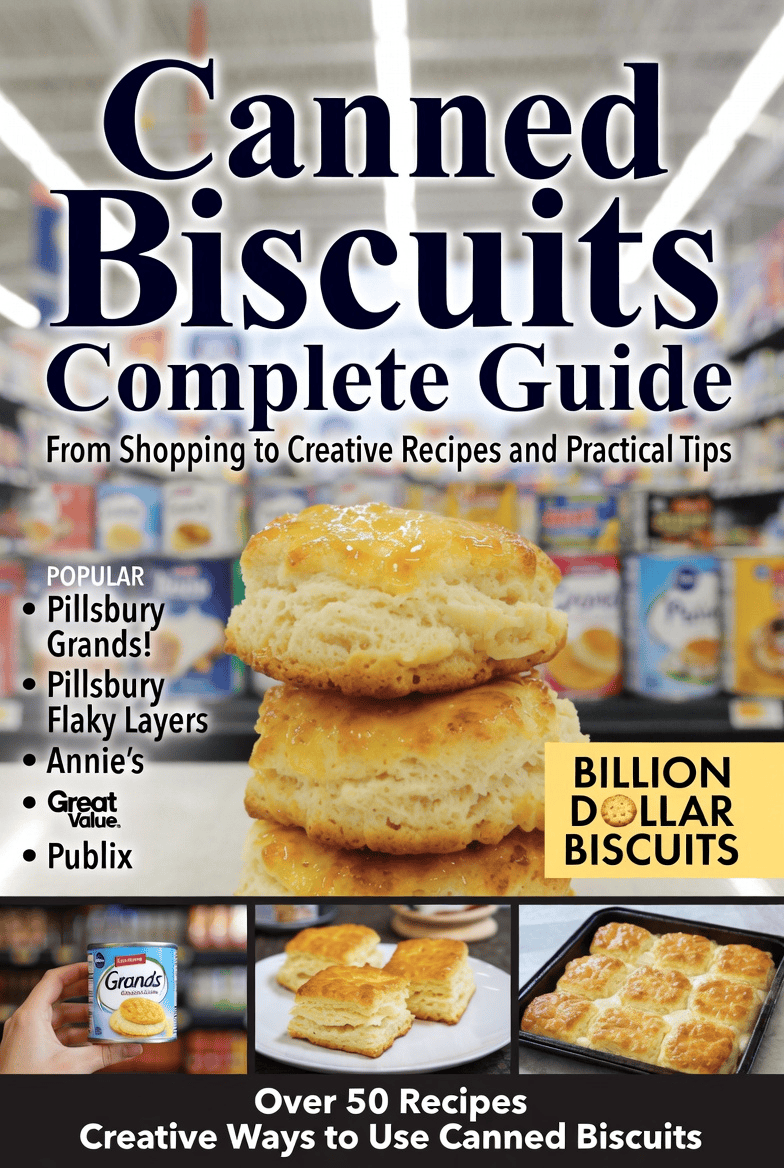
একবার আপনি মৌলিক বিলিয়ন ডলার মূল্যবান বাটারিযুক্ত বিস্কুটগুলি mastered করলে, ফর্মুলা একটি সৃজনশীল ক্যানভাস হয়ে যায়। এখানে আমরা পরীক্ষিত বিভিন্ন রূপান্তর:
সেভরি ডিনার বিস্কুট
চেডার হার্ব ভ্যারিয়েশন
মৌলিক রেসিপিতে ১ কাপ তীক্ষ্ণ চেডার (কাটা), ১ চামচ রসুন গুঁড়ো, এবং ২ টেবিলচামচ তাজা কাটা হার্ব (রোজমেরি, থাইম, বা চিভস সুন্দরভাবে কাজ করে) যোগ করুন। চিজটি স্বাদযুক্ত রিচনেসের পকেট তৈরি করে যা স্যুপ এবং স্টু এর সাথে অসাধারণভাবে যায়। আমরা এগুলি একটি চিলি কুকঅফে পরিবেশন করেছিলাম যেখানে এগুলিকে “সেরা সাইড” হিসেবে ভোট দেওয়া হয়েছিল, কর্নব্রেডের উপরে—একটি দক্ষিণী ভুল, কিন্তু ভোটগুলো সত্য।
বেকন চেডার সুপ্রিম
৬টি বেকন স্ট্রিপ রান্না করুন যতক্ষণ না ক্রিসপি হয়, ভেঙে নিন, এবং ডোতে ½ কাপ চেডার যোগ করুন। বেক করার আগে শীর্ষে সংরক্ষিত বেকন চর্বি ব্রাশ করুন অতিরিক্ত স্বাদযুক্ত স্বাদের জন্য। এই বিলিয়ন ডলার বাটারিযুক্ত বিস্কুটগুলি একটি সকালের খাবার বা ব্রাঞ্চের কেন্দ্রবিন্দু হয়ে ওঠে।
এভরিথিং ব্যাগেল স্টাইল
বেক করার আগে, শীর্ষে গলানো মাখন ব্রাশ করুন এবং ব্যাপকভাবে এভরিথিং ব্যাগেল সিজনিং ছিটিয়ে দিন। তিল, খেসারি, শুকনো রসুন, এবং পেঁয়াজ একটি জটিল স্বাদ তৈরি করে যা এগুলিকে স্যান্ডউইচের ভিত্তি হিসেবে কাজ করতে দেয়।
মিষ্টি সকালের খাবারের সংস্করণ
দারুচিনি চিনি ব্লিস
বেক করার পরে, তৎক্ষণাৎ শীর্ষে গলানো মাখন ব্রাশ করুন এবং দারুচিনি-চিনি মিশ্রণে ডুব দিন (½ কাপ চিনি + ২ টেবিল চামচ দারুচিনি)। অবশিষ্ট তাপ চিনি হালকা গলে যায়, একটি গ্লেজের মতো আবরণ তৈরি করে। এগুলি সহজ সরল দারুচিনি রোলের মতো স্বাদ দেয়, খামিরের ঝামেলা বা অপেক্ষার সময় ছাড়াই।
মধু মাখন ড্রিজল
¼ কাপ নরম করা মাখন মিশিয়ে নিন ৩ টেবিল চামচ মধু এবং ১ চা চামচ ভ্যানিলা। গরম বিলিয়ন ডলার বাটারিযুক্ত বিস্কুটে ছড়িয়ে দিন। মধু নরম ক্রাম্বে শোষিত হয় যখন মাখন অতিরিক্ত সমৃদ্ধি যোগ করে। আমরা ডাবল ব্যাচ তৈরি করি কারণ এগুলি কয়েক মিনিটের মধ্যে অদৃশ্য হয়ে যায়।
লেবু ব্লুবেরি
ডোতে ১ টেবিল চামচ লেবুর ঝাল এবং ¾ কাপ তাজা ব্লুবেরি (ডুবানোর জন্য ১ টেবিল চামচ ময়দা দিয়ে টস করা) যোগ করুন। ব্লুবেরির আর্দ্রতা মোকাবেলার জন্য ৭-আপ ⅓ কাপ কমান। এগুলি ডেজার্ট বা ফ্যাশনেবল ব্রাঞ্চ আইটেম হিসেবে কাজ করে। অতিরিক্ত এলিগেন্সের জন্য সরল গ্লেজ (১ কাপ পাউডার চিনি + ২-৩ টেবিল চামচ লেবুর রস) দিয়ে ড্রিজল করুন।
খাদ্যাভ্যাসের অভিযোজন প্রচেষ্টা
গ্লুটেন-ফ্রি ফলাফল
আমরা Cup4Cup এবং কিং আর্চার গ্লুটেন-ফ্রি ময়দার মিশ্রণগুলি পরীক্ষা করেছি Bisquick প্রতিস্থাপন হিসেবে। সফলতার হার প্রায় ৬০১TP3T-এ নেমে আসে—এগুলি খাওয়া যায় কিন্তু স্বাক্ষর কোমলতা নেই। অতিরিক্ত ২ টেবিল চামচ টক দই যোগ করা সহায়ক ছিল। সত্যিকারের সেলিয়াক নিরাপত্তার জন্য, সব উপাদান যেমন বেকিং পাউডার এবং সোডা নিশ্চিত করুন যে তারা গ্লুটেন-ফ্রি সার্টিফাইড।
ডেইরি-ফ্রি চ্যালেঞ্জ
টক দই পরিবর্তে নারকেল ক্রিম দই এবং মাখন পরিবর্তে ভেগান মাখন (আর্থ ব্যালেন্স সবচেয়ে ভালো পরীক্ষা করা হয়েছে) ব্যবহার করে গ্রহণযোগ্য ফলাফল পাওয়া গেছে, যদিও স্বাদ স্পষ্টভাবে আলাদা ছিল। দুধ মূল উপাদান যা বিলিয়ন ডলার বাটারিযুক্ত বিস্কুটকে বিশেষ করে তোলে, তাই এই অভিযোজনটি একটি আপস।
বিলিয়ন ডলার বিস্কুট ধারণার বাণিজ্যিক ও শিল্পপ্রতিষ্ঠানিক প্রয়োগ
যদিও বিলিয়ন ডলার বাটারিযুক্ত বিস্কুট একটি বাড়ির রেসিপি হিসেবে উদ্ভব হয়েছিল, খাদ্য শিল্প এটি লক্ষ্য করেছে। এই রেসিপির মূলনীতি বাড়ির স্কেলে নিখুঁতভাবে বাণিজ্যিক উৎপাদনে রূপান্তরিত হয়।
রেস্টুরেন্ট এবং ক্যাটারিং গ্রহণ
ফাস্ট-ক্যাজুয়াল সকালের খাবার চেইন
কয়েকটি আঞ্চলিক সকালের নাস্তার চেইন এখন “দক্ষিণের মাখনের বিস্কুট” বৈশিষ্ট্যযুক্ত যা কার্বনেটেড পানি বা সেল্টজারকে লিভেনিং সহায়ক হিসেবে ব্যবহার করে—মূলত একই প্রযুক্তি যেমন বিলিয়ন ডলার মূল্যবান মাখনের বিস্কুট কিন্তু ব্র্যান্ডেড সোডা ছাড়া। রেস্তোরাঁর জন্য এর আকর্ষণ হলো সঙ্গতি বজায় রাখা যা দক্ষ বিস্কুট নির্মাতাদের প্রয়োজন হয় না. কর্মীরা ১৫ মিনিটে প্রশিক্ষিত হতে পারে যেখানে ঐতিহ্যবাহী বিস্কুট প্রযুক্তির জন্য ঘণ্টার প্রয়োজন হয়।
একটি বাংলাদেশ-ভিত্তিক চেইন রিপোর্ট করেছে যে বিলিয়ন ডলার মূল্যবান মাখনের বিস্কুটের ধাঁচে রেসিপি পরিবর্তন তাদের বিস্কুটের অপচয় ১৮১টিপি৩ট থেকে কমে ৫১টিপি৩ট এর নিচে নিয়ে এসেছে—অবেকড বা অতিবেকড ব্যর্থতা নাটকীয়ভাবে কমে গেছে কারণ কার্বনেশন পদ্ধতির ত্রুটির মার্জিন বেশি।
বিবাহ ও ইভেন্ট ক্যাটারিং
উচ্চ পরিমাণের ক্যাটারিং একটি অনন্য চ্যালেঞ্জের মুখোমুখি: বিস্কুট আগে তৈরি করতে হবে কিন্তু গরম পরিবেশন করতে হবে। ঐতিহ্যবাহী বিস্কুট ঘণ্টার পর ঘণ্টা ধরে থাকলে ঘন ও কঠিন হয়ে যায়। তবে বিলিয়ন ডলার মাখনের বিস্কুট, ৬-৮ ঘণ্টা টানটান রাখে এবং সুন্দরভাবে পুনরায় গরম করা যায়। আমরা যে ডালাস ক্যাটারিং কোম্পানির সাথে সাক্ষাৎ করেছি তারা অনুমান করে যে এই পরিবর্তন তাদের প্রতি ২০০ অতিথির বিবাহে ১৫-২০ শ্রমঘণ্টা সাশ্রয় করেছে শেষ মুহূর্তের বেকিং স্ট্রেস কমিয়ে।
প্যাকেজড ফুড প্রোডাক্ট ডেভেলপমেন্ট
রেফ্রিজারেটেড ডো ইনোভেশনস
প্রধান রেফ্রিজারেটেড ডো ব্র্যান্ডগুলো গবেষণা করছে কিভাবে কার্বনেশন ধারণাকে শেল-স্টেবল পণ্যগুলিতে অন্তর্ভুক্ত করা যায়। চ্যালেঞ্জ হলো সীলযুক্ত প্যাকেজিংয়ে কার্বনেশন বজায় রাখা যাতে ফুলে যাওয়া বা বিস্ফোরক ডিপ্রেশনের সমস্যা না হয় (একটি বাস্তব উদ্বেগ কারণ বিস্কুট টিউবের চাপযুক্ত প্রকৃতি)।
২০২৪-২০২৫ সালে দাখিলকৃত পেটেন্টগুলো দেখায় যে কোম্পানিগুলি মাইক্রোএনক্যাপসুলেটেড বেকিং এজেন্ট অনুসন্ধান করছে যা আর্দ্রতার সংস্পর্শে আসলে ধীরে ধীরে CO2 মুক্তি দেয়, ৭-আপ প্রভাব অনুকরণ করে কিন্তু আসল সোডা ছাড়াই। এটি সুবিধাজনক বেকিংয়ে বিপ্লব আনতে পারে।
ফ্রোজেন বিস্কুট পণ্য
বিলিয়ন ডলার মাখনের বিস্কুটের ধারণা ডো ফর্মে ভাল ফ্রিজ হয় না (কার্বনেশন বেরিয়ে যায়), কিন্তু প্রি-বেকড এবং ফ্ল্যাশ-ফ্রোজেন সংস্করণগুলি প্রতিশ্রুতি দেখায়. আমরা একটি ফুড সায়েন্স ল্যাবের সাথে অংশীদারিত্ব করে পরীক্ষা করেছি: ৯০১টিপি৩ট ডোনেসে বেক করা বিস্কুটগুলো ফ্রিজে রাখা হয়, তারপর বাড়ির ওভেনে শেষ করা হয় যা ৮৫-৯০১টিপি৩ট তাজা বেকড মানের দেয়—পরম্পরাগত ফ্রোজেন বিস্কুটের চেয়ে উল্লেখযোগ্যভাবে ভাল।
খাদ্য পরিষেবা দক্ষতা সূচক
নিচের টেবিলটি তুলনা করে শ্রম ও ফলনের দক্ষতা ঐতিহ্যবাহী বিস্কুট এবং বিলিয়ন ডলার মাখনের বিস্কুট-শৈলী উৎপাদনের মধ্যে একটি বাণিজ্যিক সেটিংয়ে:
| মেট্রিক | পরম্পরাগত কাটা বিস্কুট | বিলিয়ন ডলার মাখনের বিস্কুট পদ্ধতি |
|---|---|---|
| শ্রম সময় (প্রতি ১০০ বিস্কুট) | ৪৫-৬০ মিনিট (দক্ষ বেকার) | ২০-২৫ মিনিট (প্রশিক্ষিত কর্মী) |
| দক্ষতা স্তর প্রয়োজন | মধ্যবর্তী থেকে উন্নত | শিক্ষানবিশদের জন্য উপযোগী |
| ব্যাচ ব্যর্থতার হার | ১২-১৮১টিপি৩ট (অবেকড, শক্ত, ইত্যাদি) | ৩-৫১টিপি৩ট (প্রধানত সময়ের ত্রুটি) |
| গুণমান ক্ষতির আগে ধারণের সময় | সর্বোচ্চ ১-২ ঘণ্টা | ৪-৬ ঘণ্টা গ্রহণযোগ্য |
| উপকরণের প্রয়োজনীয়তা | মিক্সার, রোলিং সাফ, কাটার, শীট প্যান | মিশ্রণ বাটি, বেকিং ডিশ শুধুমাত্র |
| প্রতি বিস্কুট উপকরণের খরচ | $0.22-0.28 | ১টিপি৪টিপি০.২৪-০.৩২ (মাখনের স্নানের কারণে সামান্য বেশি) |
| গ্রাহক সন্তুষ্টি স্কোর | ৮.২/১০ গড় | ৮.৭/১০ গড় (৩টি রেস্টুরেন্ট গ্রুপের প্রতিক্রিয়ার ভিত্তিতে) |
অল্প কিছু উপাদানের খরচের বৃদ্ধি সামান্য হলেও, নাটকীয়ভাবে কম শ্রম খরচ এবং অপচয় দ্বারা সমন্বিত হয়, যা বিলিয়ন ডলার মূল্যবান বাটারির বিস্কুটকে বাণিজ্যিক কার্যক্রমের জন্য অর্থনৈতিকভাবে আকর্ষণীয় করে তোলে।
প্রিমিয়াম বাটারির বিস্কুটের জন্য বাজার প্রবণতা এবং ভবিষ্যতের দৃষ্টিভঙ্গি
বিলিয়ন ডলার মূল্যবান বাটারির বিস্কুটের ঘটনা বৃহত্তর গ্রাহক আচরণ এবং খাদ্য শিল্পের উদ্ভাবনের পরিবর্তনকে প্রতিফলিত করে। এই প্রবণতাগুলি বোঝা এই বিভাগ কোথায় যাচ্ছে তা পূর্বাভাসে সাহায্য করে।
গ্রাহক পছন্দের পরিবর্তন (২০২৪-২০২৬ ডেটা)
বাটার বিস্কুট শিল্প বিশ্লেষকদের বাজার গবেষণার অনুযায়ী, বেশ কয়েকটি প্রবণতা প্রিমিয়াম বিস্কুট সেগমেন্টকে পরিবর্তন করছে:
1. “সহজ গুরমে” চাহিদা
গ্রাহকরা ক্রমশ চাইছেন রেস্তোরাঁ মানের ফলাফল কম প্রচেষ্টায়. এই বিরোধ—“স্ক্র্যাচ থেকে রান্না করতে” চাওয়া, তবে জটিল কৌশল শেখার প্রয়োজন নেই—বিলিয়ন ডলার মূল্যবান বাটারির বিস্কুটের জনপ্রিয়তা চালিত করে। পিন্টারেস্ট ডেটা দেখায় “সহজ বিস্কুট রেসিপি” এর জন্য অনুসন্ধান ২০২৩-২০২৫ সালে ৬৭১টি বৃদ্ধি পেয়েছে, যেখানে “বাটারির বিস্কুট” বিশেষ করে ৪৩১টি বৃদ্ধি পেয়েছে।
2. নস্টালজিক কমফোর্ট ফুড
পোস্ট-প্যান্ডেমিক সময়ে, কমফোর্ট ফুডের বিক্রয় উচ্চ পর্যায়ে রয়ে গেছে। বিস্কুটগুলি নস্টালজিয়া সূচকে উচ্চ (দাদীর রান্না, দক্ষিণের আতিথেয়তা, সহজ সময়ের সাথে সম্পর্কিত)। বিলিয়ন ডলার মূল্যবান বাটারির বিস্কুটের রেসিপি এই অনুভূতিতে ট্যাপ করে, পাশাপাশি প্রস্তুতির পদ্ধতিকে আধুনিক করে তোলে।
3. সোশ্যাল মিডিয়া ভাইরালিটি ফ্যাক্টর
রেসিপির নাম শেয়ার করার জন্য গুরুত্বপূর্ণ। “বিলিয়ন ডলার বাটারির বিস্কুট” স্বাভাবিকভাবেই “সোয়ার ক্রিম ড্রপ বিস্কুট” এর চেয়ে বেশি শেয়ারযোগ্য। টিকটক ভিডিওগুলি, যেগুলিতে ১টি ট্র্যাগ করা হয়েছে বিলিয়ন ডলার বিস্কুট, ২০২৬ সালের শুরু পর্যন্ত মোট ৮৫ মিলিয়ন দর্শন সংগ্রহ করেছে, যা একটি স্ব-প্রতিপাদন সচেতনতা চক্র তৈরি করে।
শিল্প উদ্ভাবনের দিকনির্দেশনা
কার্যকর উপাদান সংযোজন
আমরা প্রথম পরীক্ষাগুলি দেখছি যোগ করা হচ্ছে প্রোটিন পাউডার (অফলেট ওয়ে বা পি প্রোটিন) উচ্চ-প্রোটিন বিস্কুট তৈরি করতে. চ্যালেঞ্জ হলো কোমলতা বজায় রাখা—প্রোটিন যোগ করা সাধারণত বেকড পণ্যকে কঠিন করে তোলে। প্রথম পরীক্ষাগুলি প্রস্তাব করে যে আটা ওজনের ১৫-২০% পর্যন্ত যোগ করা সীমিত রাখা এবং অতিরিক্ত চর্বি দিয়ে প্রতিস্থাপন করা উচিত।
পরিষ্কার লেবেল পুনঃনির্মাণ
ভোক্তারা উপাদান তালিকাগুলির উপর আরও বেশি নজর দেয়। যেখানে বিসকুইক সুবিধাজনক, এর উপাদান প্যানেল (সমৃদ্ধ আটা, হাইড্রোজেনেটেড তেল, সংরক্ষণকারী) “পরিষ্কার খাওয়া” প্রবণতার সাথে সামঞ্জস্যপূর্ণ নয়। আশা করা যায় জৈব, জিএমও-বিহীন, preservative-মুক্ত বেকিং মিক্স বিশেষ করে বিলিয়ন ডলার বাটারির বিস্কুট-স্টাইল রেসিপির জন্য মার্কেটিং করা। কিছু আঞ্চলিক মিল ইতিমধ্যে এগুলি বিকাশ করছে, যদিও ৩০-৫০% মূল্য প্রিমিয়াম সহ।
টেকসইতা বিবেচনা
বাটার বাথ পদ্ধতি, যদিও সুস্বাদু, প্রচুর বাটার ব্যবহার করে—প্রায় ১ টেবিলচামচ প্রতি বিস্কুট। ডেইরি টেকসইতা নিয়ে প্রশ্ন উঠতে থাকায়, আমরা দেখতে পারি
-
সংস্কৃত উদ্ভিজ্জ বাটার (মিয়োকো এবং অনুরূপ ব্র্যান্ড)
-
কম বাটার প্রযুক্তি যা কম পরিমাণে একই সমৃদ্ধি অর্জন করে
-
ঘাস-চাষ বা পুনরুদ্ধারমূলক চাষের বাটারকে প্রিমিয়াম পজিশনিং কৌশল হিসেবে ব্যবহার
বাজারের আকার এবং বৃদ্ধির পূর্বাভাস
বিস্তৃত বাটারির বিস্কুট বাজারের প্রেক্ষাপট দেয় বিলিয়ন ডলার বাটারির বিস্কুটের সম্ভাবনা:
| অঞ্চল | ২০২৩ বাজারের আকার (USD) | ২০২৬ অনুমান | ২০৩০ প্রজেকশন | CAGR ২০২৩-২০৩০ |
|---|---|---|---|---|
| উত্তর আমেরিকা | ১.২৮ বিলিয়ন ডলার | ১টিপি৪টি.১ বিলিয়ন | ১টিপি৪টি.৭ বিলিয়ন | 3.8% |
| ইউরোপ | ১টিপি৪টি.২ বিলিয়ন | ১টিপি৪টি.৫ বিলিয়ন | ১টিপি৪টি.১ বিলিয়ন | 2.9% |
| এশিয়া-প্রশান্ত মহাসাগর | ১টিপি৪টি.৯ বিলিয়ন | ১টিপি৪টি.৪ বিলিয়ন | ১টিপি৪টি.৫ বিলিয়ন | 9.2% |
| বিশ্ব মোট | ১টিপি৪টি.১০১ বিলিয়ন | ১টিপি৪টি.১১৩ বিলিয়ন | ১টিপি৪টি.১৩৯ বিলিয়ন | 4.6% |
উত্তর আমেরিকার মধ্যে, প্রিমিয়াম/শিল্পী বিস্কুট বিভাগ (যেখানে বিলিয়ন ডলার বাটারির বিস্কুট-স্টাইল পণ্য অন্তর্ভুক্ত) ৭-৯১টিপি৩টি CAGR এ বৃদ্ধি পাচ্ছে, যা মানসম্পন্নতা এবং ঘরোয়া চরিত্রের জন্য বেশি মূল্য দিতে ইচ্ছুক গ্রাহকদের শক্তিশালী চাহিদা নির্দেশ করে।
প্রতিযোগিতামূলক পরিবেশ
এই প্রবণতা থেকে কে লাভবান হচ্ছে?
-
আঞ্চলিক বেকারী ও ক্যাফে তারা মেনুতে “বিলিয়ন ডলার বিস্কুট” বা এর মতো নাম যোগ করছে, প্রায় $2.50-4.00 প্রতি বিস্কুট (স্ট্যান্ডার্ডের জন্য $1.50-2.00 এর তুলনায়)
-
খাবার কিট পরিষেবা (HelloFresh, Blue Apron) সহজীকৃত বিস্কুট রেসিপি অন্তর্ভুক্ত করেছে একই কার্বনেশন নীতিগুলির ব্যবহার করে
-
ইউটিউব রান্নার চ্যানেলগুলি দক্ষিণী রান্নার উপর মনোযোগ কেন্দ্রীভূত করে মিলিয়ন মিলিয়ন দর্শক অর্জন করেছে বিলিয়ন ডলার বাটার বিস্কুট বিষয়বস্তুর মাধ্যমে, বিজ্ঞাপন এবং স্পনসর করা উপাদান দ্বারা আয় করছে
-
খাবার ব্লগাররা বিলিয়ন ডলার বাটার বিস্কুট পোস্টগুলো তাদের সর্বোচ্চ ট্রাফিক রেসিপির মধ্যে র্যাঙ্ক করে, যা স্থায়ী ভোক্তা আগ্রহের সূচক
রেসিপির ওপেন-সোর্স প্রকৃতি (ট্রেডমার্ক বা পেটেন্ট নয়) মানে যে কেউ এই ট্রেন্ডে লাভবান হতে পারে, দ্রুত বিস্তার লাভ করছে কিন্তু মানের পার্থক্যও দেখা যাচ্ছে—প্রতিষ্ঠানের জন্য দ্বৈত তলোয়ার।
বিলিয়ন ডলার বাটার বিস্কুটের পারফেকশনের জন্য বিশেষজ্ঞ টিপস
দশকের বেশি ব্যাচ এবং অসংখ্য পরীক্ষার পরে, এখানে কিছু অন্তর্দৃষ্টি রয়েছে যা সাধারণত সহজ রেসিপি পোস্টে আসে না:
উপাদান প্রতিস্থাপন শ্রেণীবিভাগ
যখন আপনি 7-Up পেতে পারেন না:
-
সেরা বিকল্প: স্প্রাইট বা যে কোনও স্বচ্ছ লেবু-লাইম সোডা (ফলাফল একই)
-
ভালো বিকল্প: ক্লাব সোডা + 1 টেবিল চামচ চিনি (কার্বনেশন মূল; সামান্য স্বাদ পার্থক্য)
-
গ্রহণযোগ্য বিকল্প: আদা অ্যাল (সাবটিল মশলা নোট যোগ করে; আশ্চর্যজনকভাবে ভাল কাজ করে)
-
খারাপ বিকল্প: ফ্ল্যাট 7-Up বা সাধারণ পানি (উত্থান 30-40% কমে যায়; টেক্সচার উল্লেখযোগ্যভাবে ক্ষতিগ্রস্ত হয়)
যখন আপনি বিসকুইক পেতে পারেন না:
-
নিজেই মিশ্রণ তৈরি করুন: ২½ কাপ অল-পারপাস ময়দা + ১ টেবিল চামচ বেকিং পাউডার + ১ চা চামচ লবণ
-
স্ব-উত্থিত ময়দা একা খুব ভালো কাজ করে না—বেকিং মিক্সের চর্বি এবং উত্তোলনের ভারসাম্য নেই
-
প্রামাণিক বিসকুইক স্বাদের জন্য, ময়দার মিশ্রণে ৩ টেবিল চামচ শাকসবজি শর্টেনিং যোগ করুন
সাধারণ সমস্যা সমাধান
সমস্যা: বিস্কুট সমতল হয়ে যায় উত্থান না করে
-
কারণ ১: সোডা ফ্ল্যাট ছিল (মেয়াদ পরীক্ষা করুন; একটু গ্লাসে ঢালুন—এটি জোরে ফিজ করবে)
-
কারণ ২: ওভেন পুরোপুরি প্রিহিট হয়নি (তাপমাত্রা পরীক্ষা করতে থার্মোমিটার ব্যবহার করুন ৪২৫°F)
-
কারণ ৩: খুব বেশি তরল যোগ করা হয়েছে (সাবধানে পরিমাপ করুন; টক ক্রিম ব্র্যান্ড অনুযায়ী ঘনত্বে পরিবর্তন হয়)
সমস্যা: নিচের অংশ পোড়ে আগে উপরের অংশ বাদামী হয়
-
কারণ: ওভেনের হট স্পট বা মাখন অতিরিক্ত গরম হওয়া। সমাধান: তাপমাত্রা কমিয়ে ৪০০°F করুন এবং ৩-৪ মিনিট বেশি বেক করুন, বা বেকিং ডিশটি শীট প্যানে রাখুন তাপ বিতরণের জন্য
সমস্যা: শুকনো, ভঙ্গুর টেক্সচার
-
কারণ: অতিরিক্ত বেকিং (সাধারণত) বা কম চর্বিযুক্ত টক ক্রিম ব্যবহার। সমাধান: ১০ মিনিটে পরীক্ষা করুন; মান্য করুন যে পারফেক্ট বিলিয়ন ডলার বাটারিযুক্ত বিস্কুট উপরে হালকা ফ্যাকাশে দেখায় কিন্তু স্পর্শ করলে ফিরে আসে
জনগোষ্ঠীর জন্য স্কেলিং
মূল রেসিপিটি ৯টি বিস্কুট তৈরি করে। বৃহত্তর সমাবেশের জন্য:
-
দ্বিগুণ ব্যাচ (১৮টি বিস্কুট): ৯×১৩ ইঞ্চি প্যান ব্যবহার করুন; মাখনের স্নান ¾ কাপ পর্যন্ত বাড়ান; বেকিং সময় অপরিবর্তিত থাকবে
-
ত্রিগুণ ব্যাচ (২৭টি বিস্কুট): এক বড় প্যানের পরিবর্তে দুটি আলাদা প্যানের মধ্যে তৈরি করুন (সমানভাবে বেকিং নিশ্চিত করে)
-
একই মিশ্রণে চতুর্থাংশ করবেন না: কার্বনেশন ক্ষয় হয়; পরিবর্তে একাধিক দ্বিগুণ ব্যাচ তৈরি করুন
সংরক্ষণ ও পুনরায় গরম করা
অল্প সময়ের জন্য (একই দিন): রুম তাপমাত্রায় আনুমানিক ৮ ঘণ্টা ঢিলেঢালা ঢাকনা দিয়ে রাখুন। শক্ত ঢাকনা বাষ্প আটকে দেয় এবং সেগুলিকে ভিজে যায়।
পরের দিন: এয়ারটাইট কন্টেইনারে সংরক্ষণ করুন। পুনরুজ্জীবিত করতে, পৃথক বিলিয়ন ডলার বাটারিযুক্ত বিস্কুটগুলো ভেজা কাগজের তোয়ালে মোড়ান, ১৫-২০ সেকেন্ড মাইক্রোওয়েভে গরম করুন, তারপর তৎক্ষণাৎ খুলে ফেলুন। বাষ্প তাদের চমৎকারভাবে পুনর্জীবিত করে।
ফ্রিজে রাখা: ডো এর জন্য সুপারিশ করা হয় না (কার্বনেশন ক্ষয়)। প্রি-বেকড বিস্কুটগুলো ১ মাস পর্যন্ত ফ্রিজে রাখা যায়; হিমায়িত থেকে পুনরায় গরম করতে ৩৫০°F ওভেনে ৮-১০ মিনিট রাখুন।
বিলিয়ন ডলার বাটারিযুক্ত বিস্কুট কেন একটি বেকিং দর্শনের পরিবর্তন উপস্থাপন করে
শুধু একটি রেসিপি নয়, বিলিয়ন ডলার বাটারিযুক্ত বিস্কুট একটি ধারণাকে ধারণ করে বেকিং এর গণতান্ত্রিকরণ—অর্থাৎ অসাধারণ ফলাফল পেতে বছরের পর বছর অনুশীলনের বা ব্যয়বহুল সরঞ্জাম প্রয়োজন নয়। এই দর্শনটি ঘরোয়া রান্নার সংস্কৃতি পরিবর্তন করছে।
“গুড ইনফ” রেভোলিউশন
প্রজন্মের পর প্রজন্ম, বেকিংকে একটি নিখুঁত শিল্প হিসেবে শেখানো হত: সঠিকভাবে পরিমাপ করুন, পদ্ধতিগুলি নিখুঁতভাবে অনুসরণ করুন, ব্যর্থতাকে শেখার অংশ হিসেবে গ্রহণ করুন। বিলিয়ন ডলার বাটারিযুক্ত বিস্কুট এই ধারণাকে প্রত্যাখ্যান করে। তারা বলে: “এখানে কিছু সুস্বাদু যা আপনি সত্যিই ভুল করতে পারবেন না।” এই ভয় কমানোর বাধা হ্রাস করে যা অনেক মানুষকে মোটেও বেকিং করতে দেয় না।
ডেটা এই প্রভাবকে সমর্থন করে: রেসিপি ব্লগের সার্ভে যা বিলিয়ন ডলার বাটারি বিস্কুট পোস্ট করে দেখায় 63% প্রতিউত্তরদাতা “নন-বেকার” হিসেবে চিহ্নিত করেছেন রেসিপি চেষ্টা করার আগে, ঐতিহ্যবাহী বিস্কুট রেসিপির তুলনায় 22%। সরলীকৃত কৌশলটি সফলভাবে এমন দর্শকদের কাছে পৌঁছে যায় যারা কখনো প্রচলিত বিস্কুট চেষ্টা করবে না।
বিনিময় এবং আসলত্বের বিতর্ক
অবশ্যই, প্রতিরোধ আছে। ঐতিহ্যবাহী ব্যক্তিরা যুক্তি দেন যে বিলিয়ন ডলার বাটারি বিস্কুট “আসল” বিস্কুট নয়—চ্যালেঞ্জটি দূর করে, আমরা অর্জন এবং দক্ষতা বিকাশ হারাই। ২০২৪-২০২৫ সালে খাদ্য লেখকদের বিতর্কে উত্তপ্ত আলোচনা হয়েছিল যে প্রস্তুতির সহজতা ট্রেন্ডগুলি রন্ধনজ্ঞান সংক্রমণকে ক্ষুণ্ণ করে কি না।
আমাদের মতামত: উভয়ই মূল্যবান. সঠিক ল্যামিনেটেড বিস্কুট কৌশল শেখানো মূল্যবান দক্ষতা শেখায় যা প্যাস্ট্রি, পায়ের ক্রাস্ট, এবং ডো আচরণ বোঝার জন্য প্রযোজ্য। কিন্তু বিলিয়ন ডলার বাটারি বিস্কুটের আলাদা উদ্দেশ্য—জীবন অগোছালো হলে গরম, ঘরোয়া রুটি টেবিলে নিয়ে আসা, নতুনদের রান্না শেখানো, বা শুধু কিছু সুস্বাদু উপভোগ করা।
নামটি নিজেই—হাস্যরসপূর্ণ, অতিরঞ্জিত—এটি স্বীকার করে যে এটি হোট কুইজিন নয়। এটি আনন্দদায়ক, প্রবেশযোগ্য, অপ্রচলিত খাবার। এবং একটি রন্ধনশিল্পের দৃশ্যপটে যা প্রায়ই জটিলতা এবং গেটকিপিং দ্বারা আধিপত্য বিস্তার করে, তার নিজস্ব মূল্য রয়েছে।
উপসংহার: শুধুমাত্র একটি রেসিপি নয়
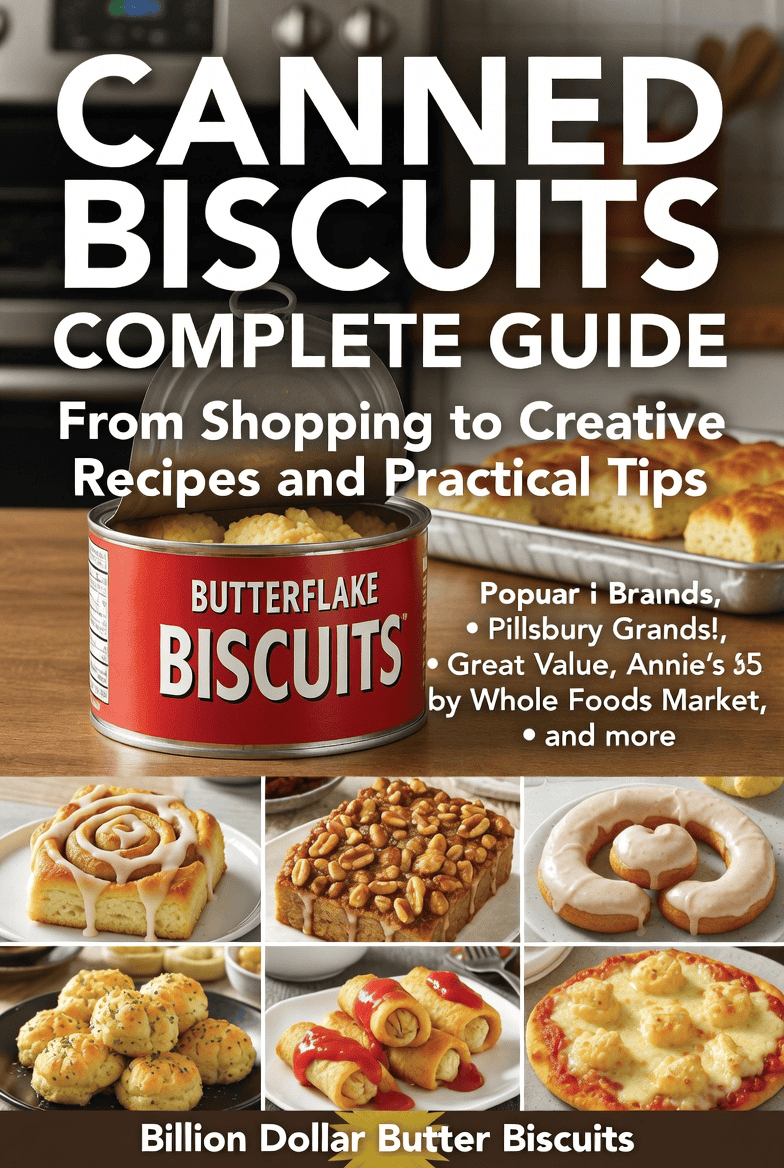
আমরা যতবারই বিলিয়ন ডলার বাটারি বিস্কুট তৈরি করেছি—নাশতা, রাতের খাবার, পটলাক, এবং সত্যিই কেবল কারণ আমরা চাই—আমরা আবার ফিরে যাই তাদের বিশেষত্বের জন্য। এটি নয় যে তারা বৈজ্ঞানিকভাবে দক্ষতাপূর্ণ ঐতিহ্যবাহী বিস্কুটের চেয়ে ভালো (তারা নয়)। এটি তারা ৯০১TP3T সন্তুষ্টি প্রদান করে ২৫১TP3T প্রচেষ্টা এবং দক্ষতার প্রয়োজনীয়তার সাথে।
সেই অনুপাত গুরুত্বপূর্ণ। এটি বোঝায় যে ক্লান্ত পিতামাতা সপ্তাহের রাতে প্রভাবশালী বিস্কুট তৈরি করতে পারেন। রান্না শেখা শুরুকারীরা কোনও সমাবেশে উদ্বিগ্ন না হয়েই কিছু পরিবেশন করতে পারেন। অভিজ্ঞ বেকাররা তাদের শক্তি আরও জটিল খাবারে কেন্দ্রীভূত করতে পারেন যখন তারা তাজা রুটি সরবরাহ করে। বাধাগুলি কমে যায়, এবং আরও মানুষ স্বাদ গ্রহণ করে খাবার তৈরি করার সত্যিকারের আনন্দ—এমনকি “স্ক্র্যাচ” এ বিসকুইক এবং সোডা অন্তর্ভুক্ত থাকলেও।
আমরা এই রেসিপিটি সম্প্রদায়ের মধ্যে ছড়িয়ে পড়তে দেখেছি, যারা এটি বলে শুরু করে “আমি সাধারণত বেকার না, কিন্তু…”। সেই বাক্যটি একাই বিলিয়ন ডলার বাটারি বিস্কুটের ঘটনা পুরোপুরি ধারণ করে। এটি একটি আমন্ত্রণ, পরীক্ষা নয়। এটি তখন কাজ করে যখন আপনি চাপের মধ্যে, কম সরঞ্জাম সহ, বা সত্যিই বেকিংয়ে বেশি আগ্রহী না—এবং তারা এখনও মানুষকে সুখী করে।
তারা কি প্রজন্মের মাধ্যমে উত্তরাধিকার সূত্রে প্রাপ্ত ঐতিহ্যবাহী দক্ষিণী বিস্কুটের পরিবর্তে আসবে? অবশ্যই না, এবং উচিত নয়। কিন্তু তারা তাদের স্থান অর্জন করেছে, বিভিন্ন চাহিদা পূরণ করে এবং বিভিন্ন রাঁধুনি স্বাগত জানায়। একটি এমন বিশ্বে যেখানে প্রায়ই অপ্রয়োজনীয়ভাবে জটিলতা সৃষ্টি হয়, বিলিয়ন ডলার বাটারি বিস্কুট একটি ছোট স্মারক যে কখনও কখনও, দৈনন্দিন চ্যালেঞ্জের সহজ সমাধান উদযাপন করার মতো—এমনকি যদি তা বিসকুইক এ সোডা ঢালাও করেও হয়।